A Day Pilgrims at Kesariyaji Should Know About
Most people who visit Kesariyaji - also known as Rishabhdev Tirth, about 65 km south of Udaipur in Rajasthan - come for darshan of the magnificent black stone idol of Bhagwan Adinath. Few know that this same temple was once the site of bloodshed. If you've come across the term Kesariyaji Hatyakand or Dhwajadand Hatyakand while reading about the temple's history, this is the story behind it - told as completely and honestly as the historical record allows.
It isn't a pleasant story. But it is an important one, because it explains a great deal about how this tirth is worshipped today, and why its identity has been argued over for so long.
How the Trouble Started
For close to a thousand years before this incident, Kesariyaji had been looked after by Digambar Jain Bhattarakas - the heads of Digambar monastic seats - who guided every major construction at the temple, from the garbhagriha shikhara renovated in 1374 CE to the 52 surrounding Jinalayas. The temple's inscriptions, still visible on its walls today, record this in detail.
Things began to shift when the Mewar princely state's administration came under growing Shwetambar influence. Over time, Shwetambar individuals found their way into important posts connected with the temple's upkeep - including, eventually, the post of Magra Hakim, the local administrative officer with authority over the Rishabhdev area. By the early 1920s, several of the key officials overseeing the temple were Shwetambar appointees, even though the temple's daily worship and management had, for centuries, remained in Digambar hands.
This is the backdrop against which the events of May 1921 unfolded.
What Happened on 4 May 1921
The day was Vaishakh Shukla Tritiya - Akshay Tritiya, one of the most sacred days in the Jain calendar, commemorating the day Bhagwan Rishabhdev broke his year-long fast. It should have been a day of celebration.
Instead, without seeking the Maharana of Mewar's permission - and in direct defiance of two earlier royal orders that had specifically forbidden it - a group of Shwetambar officials moved to alter the appearance of the temple's idols. They attempted to fix a mukut (crown), kundal (earrings), and chakshu (eyes) onto the naked Digambar Tirthankara murtis in the temple, and to raise a Dhwajadand (ceremonial flagpole) above the main shikhara.
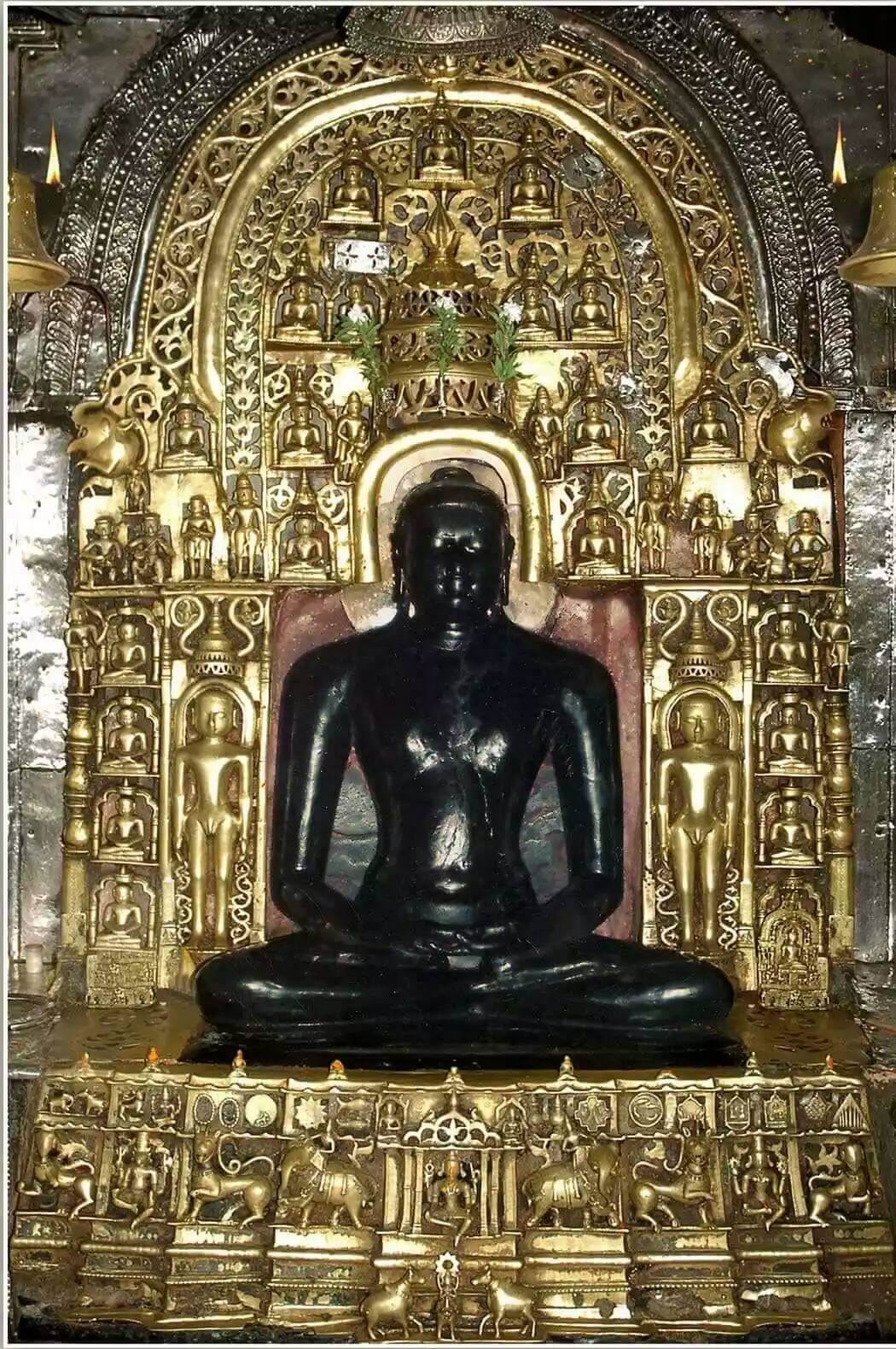
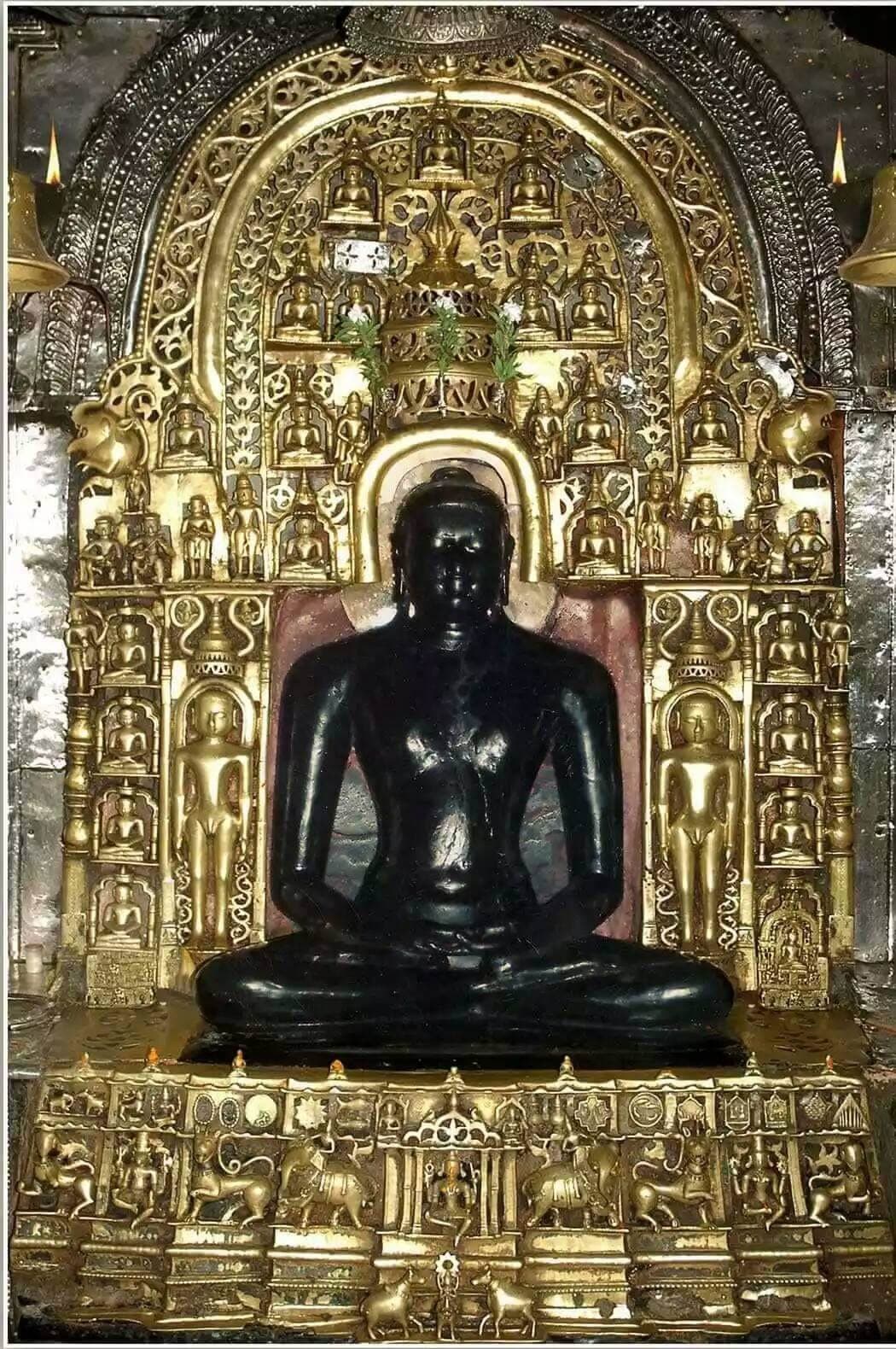
Image : Bhagwan Rishabhdev's Idol at Kesariyaji
To the Digambar community, this was not a minor ceremonial gesture. Placing ornaments on a Digambar idol and erecting a flag in a manner associated with a different tradition was understood as an attempt to physically and symbolically alter the very identity of the temple. Word spread quickly through Dhulev and the surrounding villages, and within hours, thousands of Digambar Jains had gathered at the temple gates in protest.
A delegation travelled from Udaipur and reached the temple, reminding the officials present of the Maharana's own earlier orders prohibiting exactly this kind of act. The crowd pleaded, argued, and pressed for the work to stop.
It didn't stop. What happened next turned a religious dispute into a massacre.
Soldiers stationed at the temple - acting under instructions from the officials present - turned on the unarmed Digambar protestors. Reports from the time describe the soldiers using heavy logs of wood, originally gathered for a yagna being conducted nearby, along with the butts of their rifles, to beat back the crowd inside the temple complex itself.
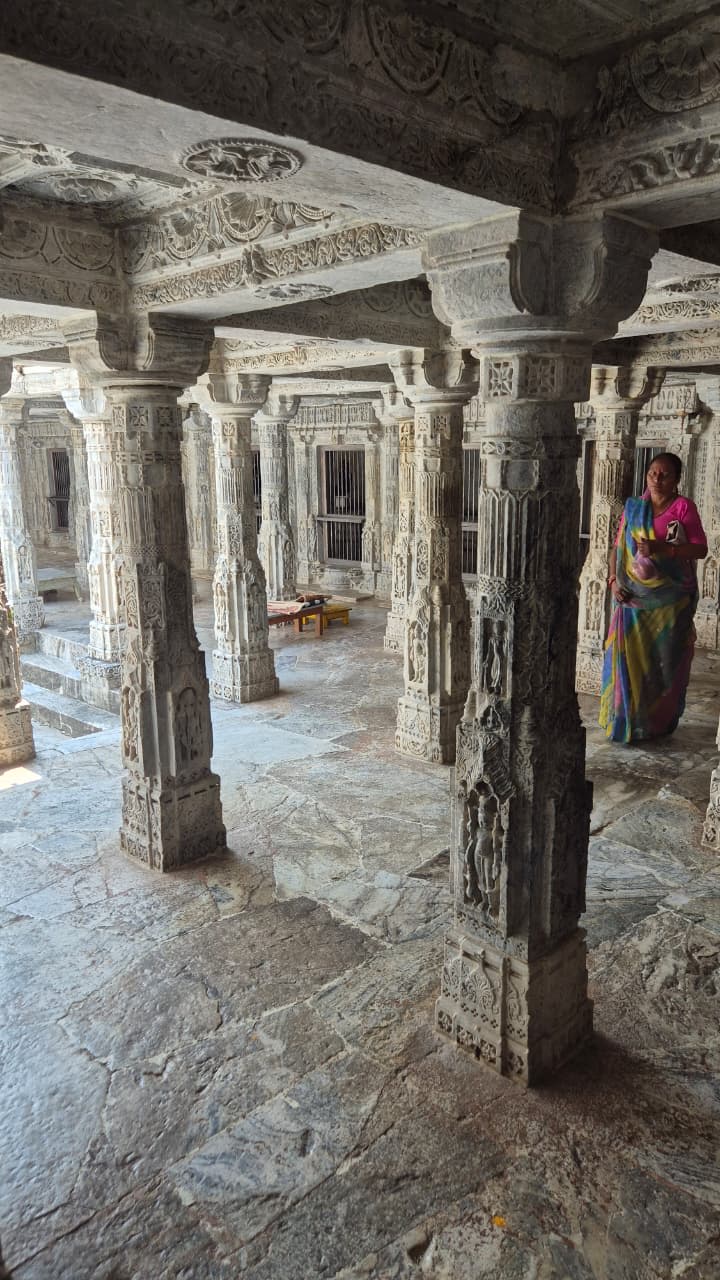
Image : The spot inside the temple premises where the confrontation took place
In the chaos, several of the precious idols inside the temple were also damaged - reports from the period describe Shwetambar attackers breaking the lingas of some of the Digambar murtis during the scuffle, an act that added to the horror of the day for those who witnessed it.
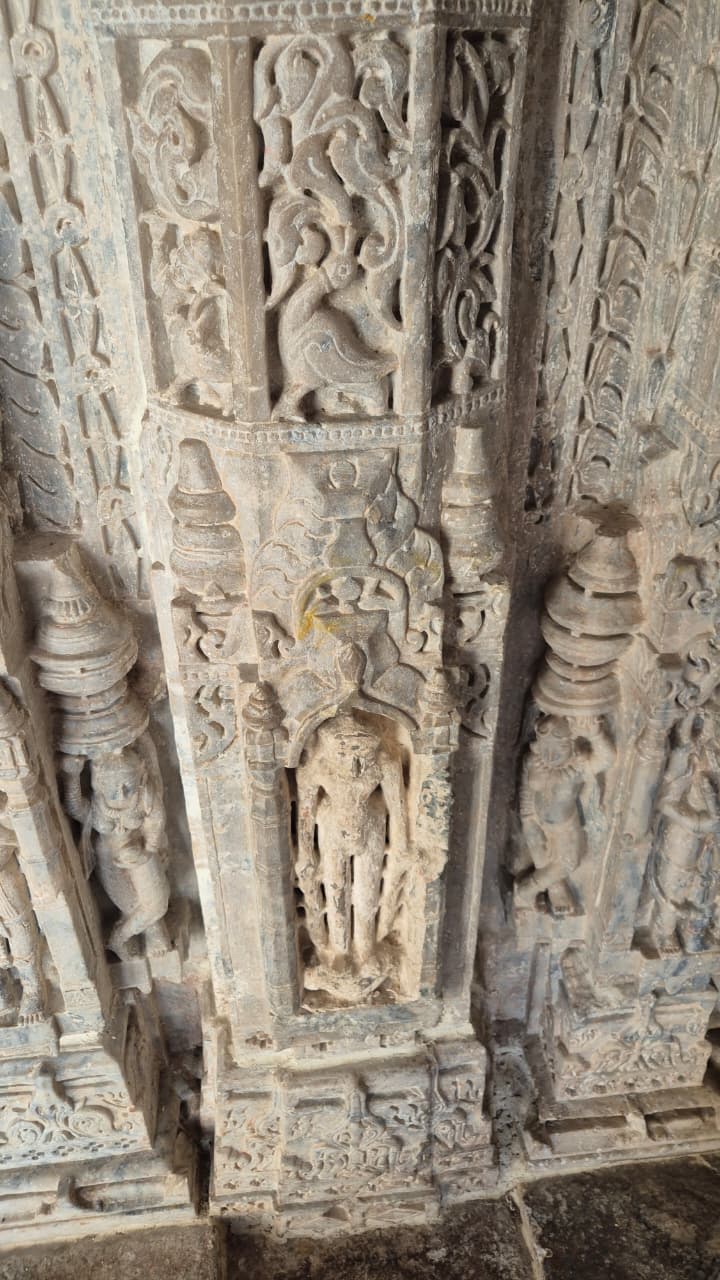
Image : The Linga of Digambar Idol broken by Shwetambars
Four Digambar Jains lost their lives that day, inside the temple they had come to protect:
• Pandit Girdharilal, resident of Sagar, Madhya Pradesh
• Shri Deepchand Nagda, resident of Parsad, Udaipur
• Shri Punamchand Nagda, resident of Parsad, Udaipur
• Shri Manakchandji Narsinghpura, resident of Semari, Udaipur
Roughly 150 people were injured, of whom 44 were seriously hurt and required medical treatment.
What happened to the bodies afterward is itself a painful detail that has stayed in the collective memory of the Digambar community. The bodies of the four men who had been killed were left lying inside the temple through the night - they remained there until the following day, when a postmortem team finally arrived to examine them. For a community that had just lost four of its own defending a place of worship, having to wait through the night beside the bodies of the dead, inside the very temple where they had died, only deepened the grief and the sense of injustice.
Even after this, in a move that shocked many observers at the time, the temple gates were shut, and on 6 May 1921 - just two days after the killings - a Dhwajadand was hurriedly raised on the shikhara, without any proper religious ceremony or sanction. Some time afterward, this flagpole fell down on its own.
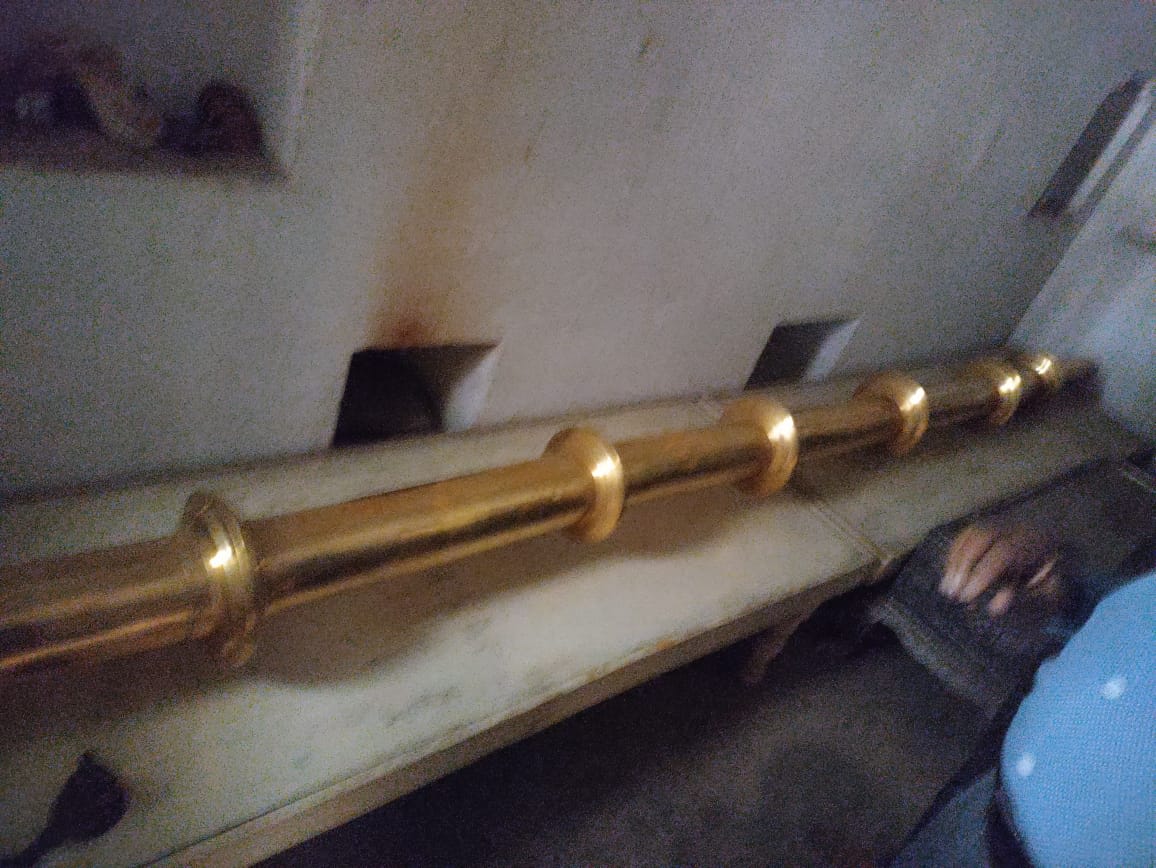
Image : The Dhwajadand (flagpole) that was later installed by Shwetambars
The Mewar Government Steps In
The killings caused widespread outrage and drew sharp criticism of the Mewar administration in the press of the day. Under this pressure, the state government set up a formal commission of inquiry - generally referred to as the Dhwajadand Commission - to look into what had happened.
Who Sat on the Commission
The commission appointed by the Mewar government had four members:
1. Raja Amar Singh Banoda
2. C.V.C. Trench
3. B.L. Bhattacharya
4. O.R.M. Annani
Both communities hired serious legal talent for the proceedings. The Digambar side's legal team, notably, included Mr. M.A. Jinnah - yes, the same lawyer who would later become a defining figure in the subcontinent's political history.
What the Inquiry Established
Going through the temple's own historical record, the commission found that Digambar Jains had carried out pratishtha ceremonies and Dhwajadand installations on five separate occasions, each tied to a documented phase of construction at the temple:
5. Samvat 1431 - renovation of the main temple and Khela Mandap
6. Samvat 1572 - construction of the Nau-Chouki and Sabha Mandap
7. Samvat 1753 - construction of the Nemi Nath shrine
8. Samvat 1773 - a grand idol-consecration festival (Bimba Pratishtha Mahotsav)
9. Samvat 1863 - construction of the outer Perkota wall, consecrated with considerable ceremony
This timeline, drawn straight from the temple's own inscriptions, was placed before the commission as evidence of an unbroken history of Digambar religious authority at the temple stretching back more than four centuries.
Who Was Found Responsible
Separately from the commission's broader inquiry into the temple's history, the Mewar government also examined the specific conduct of the officials involved in the events of 4 May 1921. This investigation found five men guilty:
• Vardichand Anchaliya, the officer of the Devasthan department
• Roshanlal Chatur, Seth of Devasthan, Dhulev
• Devilal Mehta, the Shwetambar Hakim of Devasthan, Rishabhdev
• Lakshmansingh Mehta, the Shwetambar officer who had been appointed Magra Hakim shortly before the incident (and who, notably, was related to Devilal Mehta as son-in-law to father-in-law)
• Subedar Tejsingh, the military officer who had led the troops against the crowd
All five were held responsible for the killings. They were fined financially and dismissed from Mewar state service. The families of the four men who died were given compensation, though no amount of compensation could undo what had happened that day.
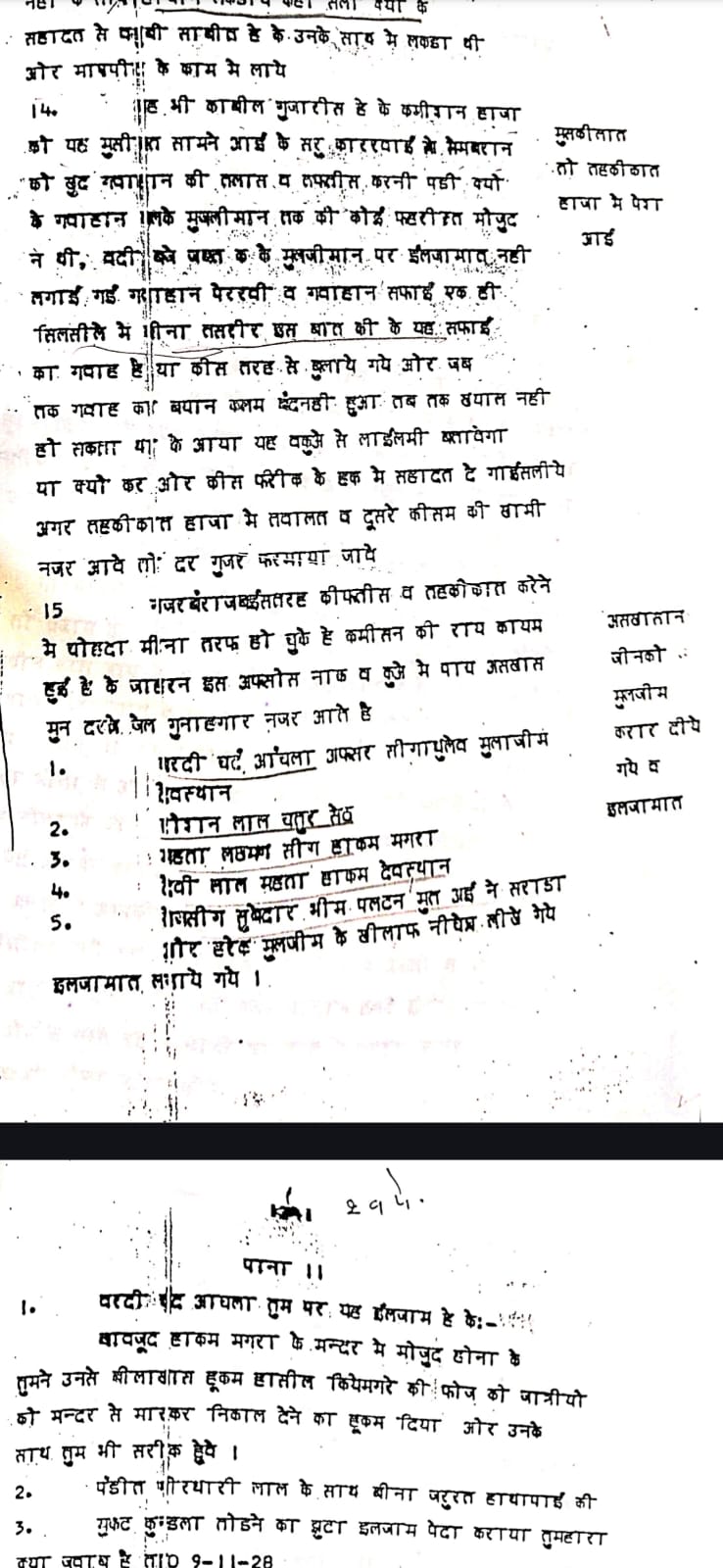
Image : Pages from the original inquiry commission report
The Report That Was Quietly Edited
The Dhwajadand Commission completed its work and submitted its report on 10 April 1935. Here is where the story takes a frustrating turn.
The original findings, in the commission's own words, concluded that the temple was fundamentally a Digambar Jain temple (“मूलतः दिगम्बर जैन मंदिर”). But the report sat unpublished for over a decade. By the time it was finally released - on 5 June 1947 - Shwetambar influence within the Mewar administration had grown strong enough that the word “Digambar” had quietly disappeared from the published text. What remained was the far more generic description of Kesariyaji as simply a “Jain temple.”
It's a small editorial change on paper. In practice, it erased the commission's own clearly stated conclusion, and it remains, to this day, a point that historians of the temple bring up when discussing how the Digambar character of Kesariyaji was gradually obscured through administrative and political means rather than through any genuine change in the temple's religious tradition.
The Dispute Didn't End There
The temple's administration stayed with the Mewar state's Devasthan Vibhag, and later passed to the Rajasthan state government's Devasthan Department after independence. But the underlying question of who the temple truly belonged to kept resurfacing in the courts for decades.
It finally reached the Supreme Court of India, which ruled on the matter on 14 September 1973, 4 January 2007, and 26 July 2010 - each time declaring Kesariyaji a Jain temple and directing that its management be handed over to the Jain community, with the state asked to settle the remaining disputes between the Digambar and Shwetambar sides.
Why This Still Matters for Anyone Researching Kesariyaji Today
If you're trying to understand Rishabhdev Tirth, the Kesariyaji Hatyakand isn't just an old, sad story - it's a key piece of context for several things people still ask about the temple:
• Why the mulnayak idol at Kesariyaji has never worn chakshu, mukut, or kundal as part of its regular worship - four men gave their lives in 1921 to keep it that way
• Why a government commission, after a formal inquiry, concluded in writing that the temple was fundamentally Digambar
• Why it took the Supreme Court of India, decades later, to finally settle the question of management
• Why the temple's daily puja today still follows Digambar Jain tradition, carried out by the local Digambar Jain community of Dhulev
What happened on 4 May 1921 was never a footnote. For the Digambar Jain community, it is remembered as a day of martyrdom in defence of their tirth - and the historical record, including the government's own inquiry, backs up why they felt it was worth defending.
Frequently Asked Questions
Q: What exactly is the Kesariyaji Hatyakand?
It refers to the violence that broke out at the Kesariyaji (Rishabhdev) temple on 4 May 1921, when Shwetambar officials attempted to place ornaments on Digambar idols and raise a flag on the temple's shikhara, and ordered the soldiers to attack the unarmed Digambar protestors, killing four and injuring around 150.
Q: Who died in the Kesariyaji Hatyakand?
Pandit Girdharilal of Sagar (Madhya Pradesh), Deepchand Nagda of Parsad (Udaipur), Punamchand Nagda of Parsad (Udaipur), and Manakchandji Narsinghpura of Semari (Udaipur) were killed inside the temple premises.
Q: Why were the bodies not removed immediately?
The bodies of the four men remained inside the temple overnight; a postmortem examination team only arrived the following day, by which time the bodies had lain in the temple through the night.
Q: Who was held responsible for the killings?
Vardichand Anchaliya, Roshanlal Chatur, Devilal Mehta (shwetambar), Lakshmansingh Mehta (shwetambar), and Subedar Tejsingh were all found responsible by the Mewar government, fined, and dismissed from state service.
Q: What did the official government inquiry conclude about the temple?
The Dhwajadand Commission's original 1935 report concluded the temple was fundamentally a Digambar Jain temple - though this specific wording was removed before the report's eventual publication in 1947.
Q: How is Kesariyaji managed today?
Following Supreme Court of India rulings in 1973, 2007, and 2010 - each declaring it a Jain temple - management falls under the Rajasthan Devasthan Department, with the temple's daily puja continuing in accordance with Digambar Jain tradition.