जय जिनेन्द्र·Jai Jinendra
Rishabhdev Blog
ऋषभदेव ब्लॉग
Dedicated to Bhagwan Rishabhdev, Digambar Dharma and Jain Wisdom
Scroll to explore
ऋषभदेव ब्लॉग
Dedicated to Bhagwan Rishabhdev, Digambar Dharma and Jain Wisdom
Featured
 Tirthankaras
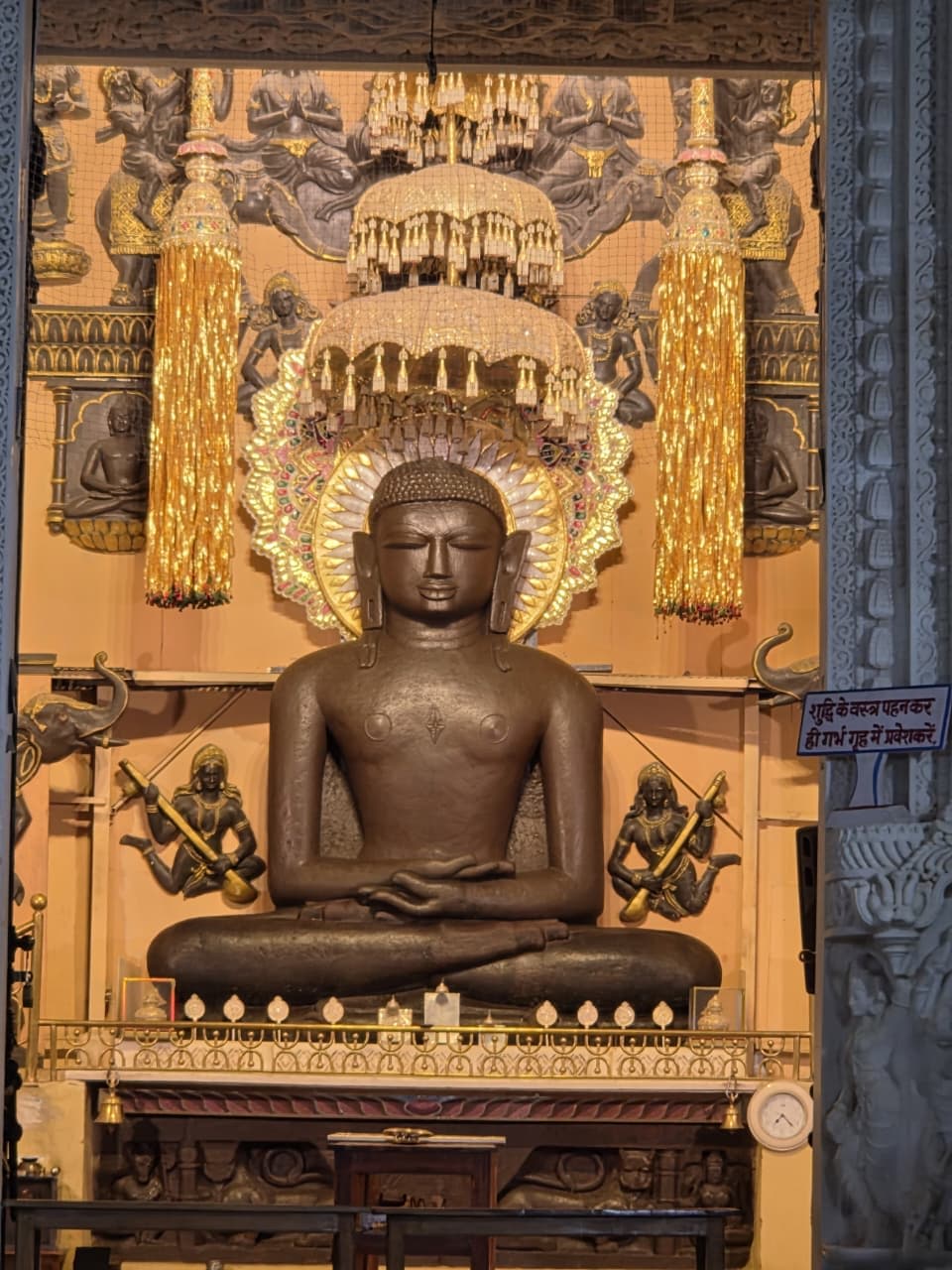
Anybody who has stood before a Jain pratima notices one thing. It is not trying to impress you. No crown, no colour, no ornament, nothing at all. Reading through Balbhadra Jain, I have put down the rules of a Jain idol here, what it must have and what it can never have.
 Tirthankaras
A definitive reference on how a Digambar Jain Tirthankara idol (murti / pratima / vigraha) is correctly formed - what it must have, and what it must never have.
 Jain Philosophy
Which came first in Jainism, Digambar or Shwetambar? A detailed history of the twelve year famine, Acharya Bhadrabahu, Sthulabhadra and the formation of the Shwetambar sect in Vikram Samvat 136, with the traditional Digambar account of Jain history.
Latest
TirthankarasAnybody who has stood before a Jain pratima notices one thing. It is not trying to impress you. No crown, no colour, no ornament, nothing at all. Reading through Balbhadra Jain, I have put down the rules of a Jain idol here, what it must have and what it can never have.
TirthankarasA definitive reference on how a Digambar Jain Tirthankara idol (murti / pratima / vigraha) is correctly formed - what it must have, and what it must never have.
Jain PhilosophyWhich came first in Jainism, Digambar or Shwetambar? A detailed history of the twelve year famine, Acharya Bhadrabahu, Sthulabhadra and the formation of the Shwetambar sect in Vikram Samvat 136, with the traditional Digambar account of Jain history.
 Festivals
Daslakshan Parv is the ten day Jain festival of inner cleaning. A short guide to its ten dharmas, when it falls, and why the word Uttam is attached to each one.
You must have heard this at some point, somewhere, that Ravan once came to Kesariyaji and had darshan of the pratima here.
The Namokar Mantra - also called the Navkar Mantra - is the most sacred and most widely recited prayer in Jainism. Unlike most prayers, it does not pay homage to any single deity, Tirthankara, or historical figure. Instead, it bows to every soul, across all of time and space, who has attained one of the five supreme spiritual stations known as the Panch Parmeshthi. Here is a complete look at its text, structure, meaning and significance
Dive deeper into Jain philosophy, poojas, Tirthankara stories, festivals, and sacred texts — all in one place.
Explore Jainism